In general, these children are at greater danger for having emotional problems than children whose parents are not alcoholics. Alcohol addiction runs in households, and children of alcoholics are 4 times more likely than other children to develop into alcoholics themselves.
A child being raised by a parent or caretaker who is dealing with alcohol abuse may have a range of conflicting emotions that need to be attended to in order to avoid future problems. Due to the fact that they can not go to their own parents for assistance, they are in a difficult position.
rasputin
A few of the feelings can include the list below:
Sense of guilt. The child may see himself or herself as the primary cause of the parent's alcohol problem.
alcohol dependence and anxiety. The child may fret constantly pertaining to the circumstance in the home. She or he may fear the alcoholic parent will become sick or injured, and might likewise fear confrontations and violence between the parents.
Humiliation. Parents might provide the child the message that there is a horrible secret in the home. The embarrassed child does not ask friends home and is frightened to ask anybody for assistance.
Failure to have close relationships. Since the child has normally been disappointed by the drinking parent so he or she typically does not trust others.
Confusion. The
alcohol ic parent will change suddenly from being caring to upset, regardless of the child's behavior. A consistent daily schedule, which is very important for a child, does not exist due to the fact that mealtimes and bedtimes are continuously changing.
Anger. The child feels anger at the
alcoholic parent for
drinking , and may be angry at the non-alcoholic parent for insufficience of moral support and protection.
Depression or Hopelessness. The child feels lonesome and powerless to transform the situation.
Although the child aims to keep the alcohol addiction private, educators, relatives, other grownups, or close friends might discern that something is not right. Teachers and caregivers should be aware that the following behaviors might signal a drinking or other problem at home:
Failing in school; truancy
Lack of buddies; withdrawal from schoolmates
Delinquent behavior, like thieving or physical violence
Regular physical problems, like stomachaches or headaches
Abuse of substances or alcohol; or
Aggression towards other children
Danger taking actions
Depression or suicidal thoughts or behavior
Some children of alcoholics might cope by playing responsible "parents" within the household and among close friends. They may develop into orderly, prospering "overachievers" throughout school, and at the same time be mentally separated from other children and teachers. Their emotional issues may present only when they turn into adults.
It is essential for caregivers, teachers and relatives to realize that whether or not the parents are getting treatment for alcohol addiction, these children and adolescents can benefit from mutual-help groups and educational programs such as regimens for Children of Alcoholics, Al-Anon, and Alateen. Child and adolescent psychiatrists can diagnose and address problems in children of alcoholics.
rasputin
The treatment program may include group therapy with other children, which minimizes the withdrawal of being a child of an alcoholic. The child and adolescent psychiatrist will certainly frequently deal with the entire household, particularly when the alcoholic parent has halted alcohol consumption, to help them develop healthier ways of connecting to one another.
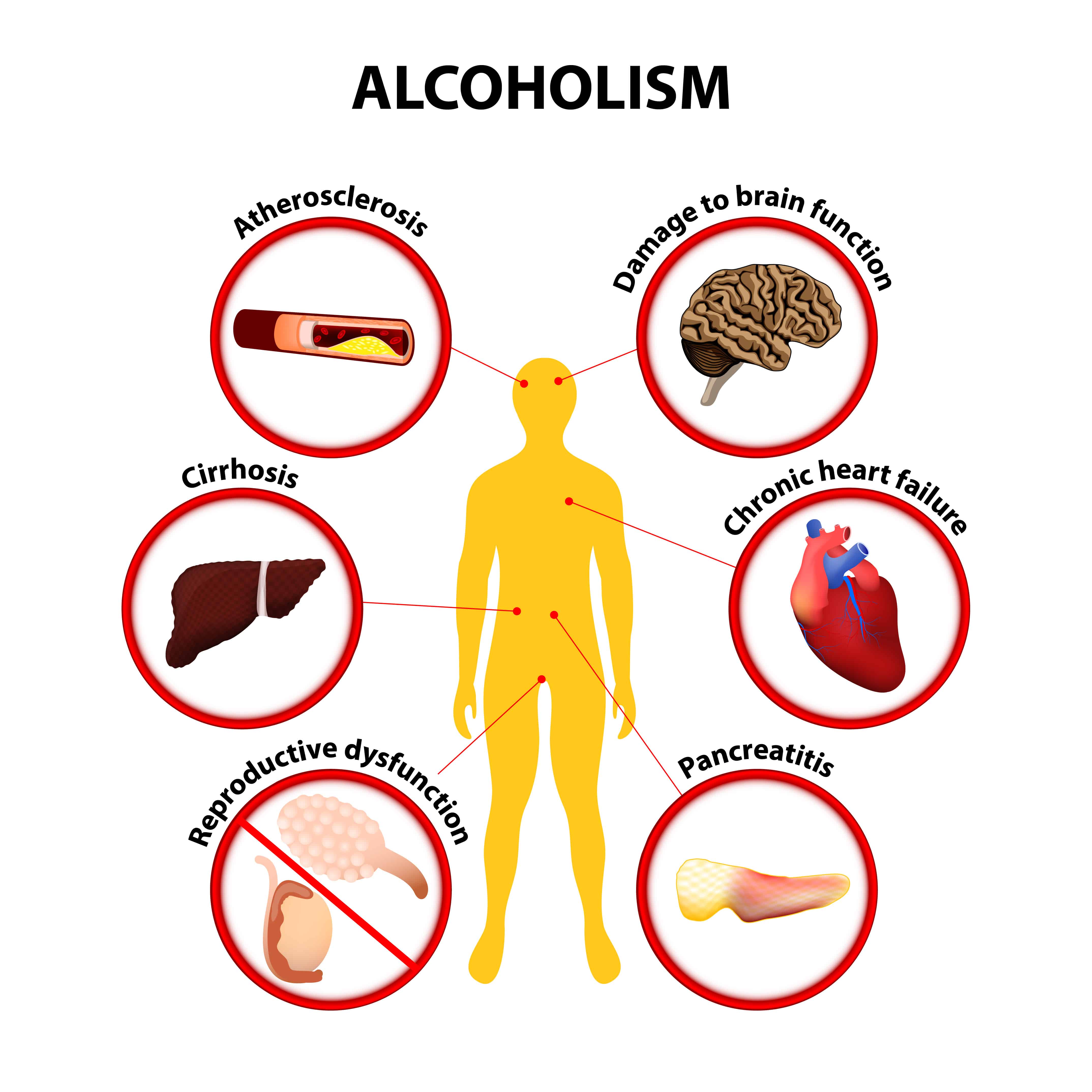
Generally, these children are at higher risk for having emotional problems than children whose parents are not alcoholics. Alcoholism runs in family groups, and children of alcoholics are four times more likely than other children to turn into alcoholics themselves. It is important for relatives, caretakers and instructors to realize that whether or not the parents are getting treatment for
alcoholism -and-heredity">alcoholism , these children and teenagers can benefit from mutual-help groups and educational regimens such as regimens for Children of Alcoholics, Al-Anon, and Alateen. Child and teen psychiatrists can diagnose and treat issues in children of
alcoholic s. They can likewise assist the child to comprehend they are not accountable for the
drinking issues of their parents and that the child can be assisted even if the parent is in denial and declining to seek help.
UNDER MAINTENANCE

 0
0  Star
Star